Key Points
- Researchers developed a DNA reference library to help combat illegal trade in Sri Lankan sharks and rays.
- They validated a portable, low-cost sequencing workflow using Bento Lab and Oxford Nanopore MinION.
- They achieved 94% barcoding success, identifying 46 species.
Researchers in Sri Lanka have built a new DNA reference library for sharks and rays by combining cost-effective portable tools (including Bento Lab) with high-throughput sequencing. Their goal: to improve species identification and support conservation enforcement.
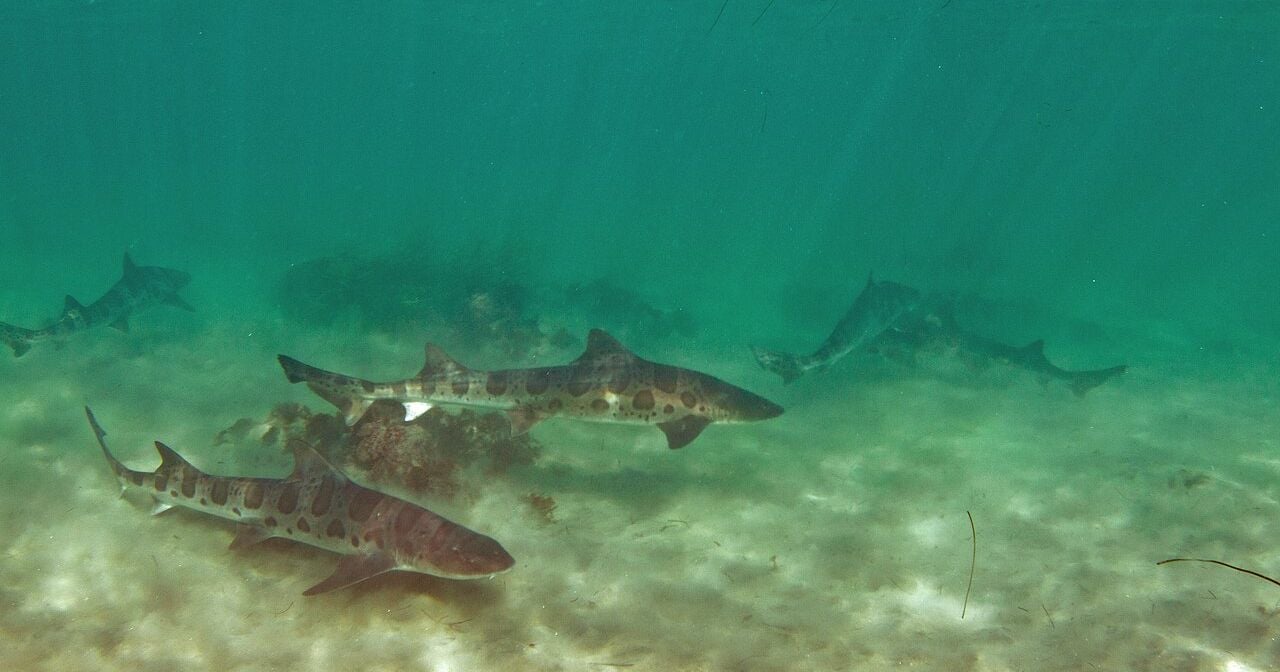
Developing a Genetic Toolkit for Species Protection
In a preprint published on bioRxiv, researchers from Blue Resources Trust and Wayamba University (Sri Lanka), the University of Edinburgh (UK), and Stanford University (USA), collaborated to build a comprehensive DNA reference library for elasmobranchs (sharks, rays, and related groups) in Sri Lanka. They aimed to strengthen species identification in trade and fisheries by showcasing the application of Oxford Nanopore Technologies (ONT) sequencing and affordable field-friendly tools like Bento Lab.
In the fisheries trade, accurate identification is essential for detecting illegal harvesting. But traditional morphological identification methods often fail when products are processed into fins, gill plates, or meat. DNA barcoding offers a powerful alternative, and the team aimed to make it both accurate and affordable.
“The creation of reliable barcode reference libraries is essential for effective species identification in biomonitoring […] and the effectiveness of fishing and trade regulations.” — Anjani et al. (2025).
Sri Lanka’s Shark Trade Challenge
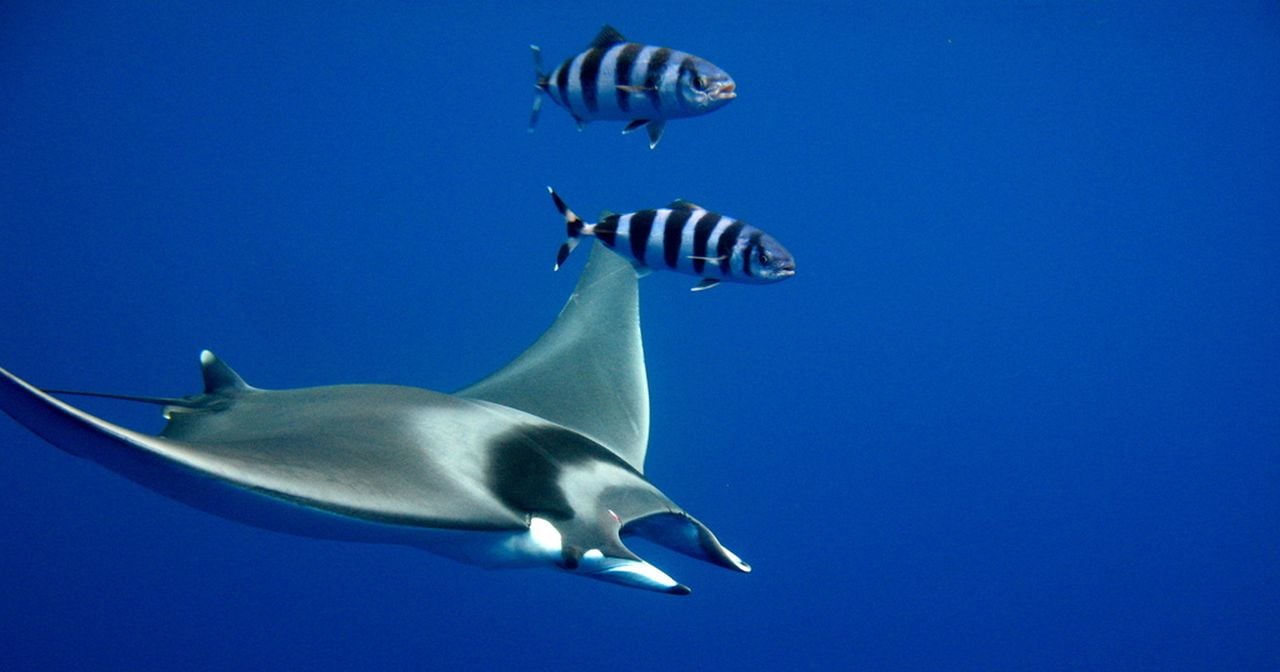
Sri Lanka’s elasmobranch diversity is among the highest in the Indian Ocean, with over 100 species known from Sri Lankan waters, and many of them are CITES-listed and vulnerable to illegal trade. However, its role as a regional export hub for shark and ray products creates challenges for regulation. Between 2020 and 2021, customs intercepted illegal shipments containing hundreds of fins and gill plates. But in most cases, identifying the species by eye from processed tissues is difficult or impossible.
Regulations like CITES require countries to verify the species in trade, but Sri Lanka’s trade data often lacks species-level detail. By creating a DNA reference library, the researchers hope to improve this level of detail to support law enforcement, improve export verification, and strengthen conservation compliance.
Building a Portable and Affordable Workflow
To develop their DNA library, the team collected tissue samples from 49 elasmobranch species from 16 families across 28 sites over a five-year period (2018-2022). Samples included sharks, rays. and related groups from various coastal regions. The majority belonged to threatened categories on the IUCN Red List.
DNA was extracted using multiple methods, including Qiagen and NucleoSpin column kits, the HotSHOT alkaline lysis method, and Chelex-based protocols. The researchers tested each method for cost, efficiency, and PCR success. For PCR amplification and visualization, they used Bento Lab.
Sequencing was performed using ONT MinION with Flongle flow cells and the ONT Rapid Barcoding Kit. The team amplified either the COI gene or 12S rRNA gene depending on species. They used cloud-free pipelines for basecalling, clustering, and consensus building to generate reference-quality sequences.
What the Researchers Found
The study generated DNA barcodes for 46 out of 49 targeted species:
- DNA extraction optimisation: They found that spin column-based kits combined with ethanol-preserved tissues gave the most consistent and high-quality results for their research.
- High recovery rate: 94 percent of species were successfully identified using the portable sequencing pipeline.
- Clear taxonomic structure: Phylogenetic analysis accurately grouped closely related species and resolved previous uncertainties.
- Portable lab performance: Bento Lab enabled DNA extraction and gel validation without a full laboratory setup, supporting applications in field and low-resource
“This study produces DNA sequences from a cost-effective genetic pipeline which can be affordable for developing countries such as Sri Lanka.” — Anjani et al. (2025).
To validate their approach, the researchers compared multiple extraction methods and matched morphological identifications with phylogenetic results. Where conflicts arose, they re-evaluated vouchers using both datasets. Sequences were submitted to GenBank, expanding the public DNA reference library.
Implications for Conservation and Trade
This project shows how portable genetic tools can help bridge the gap between international conservation policy and on-the-ground enforcement. With many shark and ray species now listed under CITES, reliable field identification is crucial.
By building a reference library and demonstrating a practical portable workflow, the researchers have provided essential reference data and helped advance the broader use of molecular tools in fisheries monitoring. Their work could support customs inspections, port sampling, and traceability of wildlife products.
The approach also has potential applications beyond elasmobranchs. Similar work should prove useful wherever reliable species ID is needed under trade, conservation, or biosecurity frameworks.
However, the authors noted that they experienced very significant barriers to accessibility to cold chain requirements, shelf life, and Sri Lankan import restrictions for ONT sequencing. They considered that until these issues are addressed, the full potential of portable sequencing in conservation efforts would be under-used.
Despite this, they conclude that their research highlighted the usefulness of this methodology to enhance elasmobranch monitoring and field studies, and laid the groundwork for future conservation efforts towards monitoring their trade in Sri Lanka and internationally.
“Rapid and real-time sequencing techniques, such as those offered by Oxford Nanopore Technology, could serve as crucial tools for the identification of shark and ray products, facilitating timely interventions in export monitoring.” — Anjani et al. (2025).
Read the Study
You can read the article here:
Looking for advice on using Bento Lab?
Book a free consultation or ask a question.