May 2026 Round-up
The field season is in full swing, and we’ve loved seeing researchers use our portable molecular biology tools in remote jungles, coral reefs, paddy fields, and island field sites, bringing DNA analysis closer to the ecosystems and species they’re studying. Here are some of the stories that caught our attention in May.
Supporting Scarlet Macaw conservation work in Belize
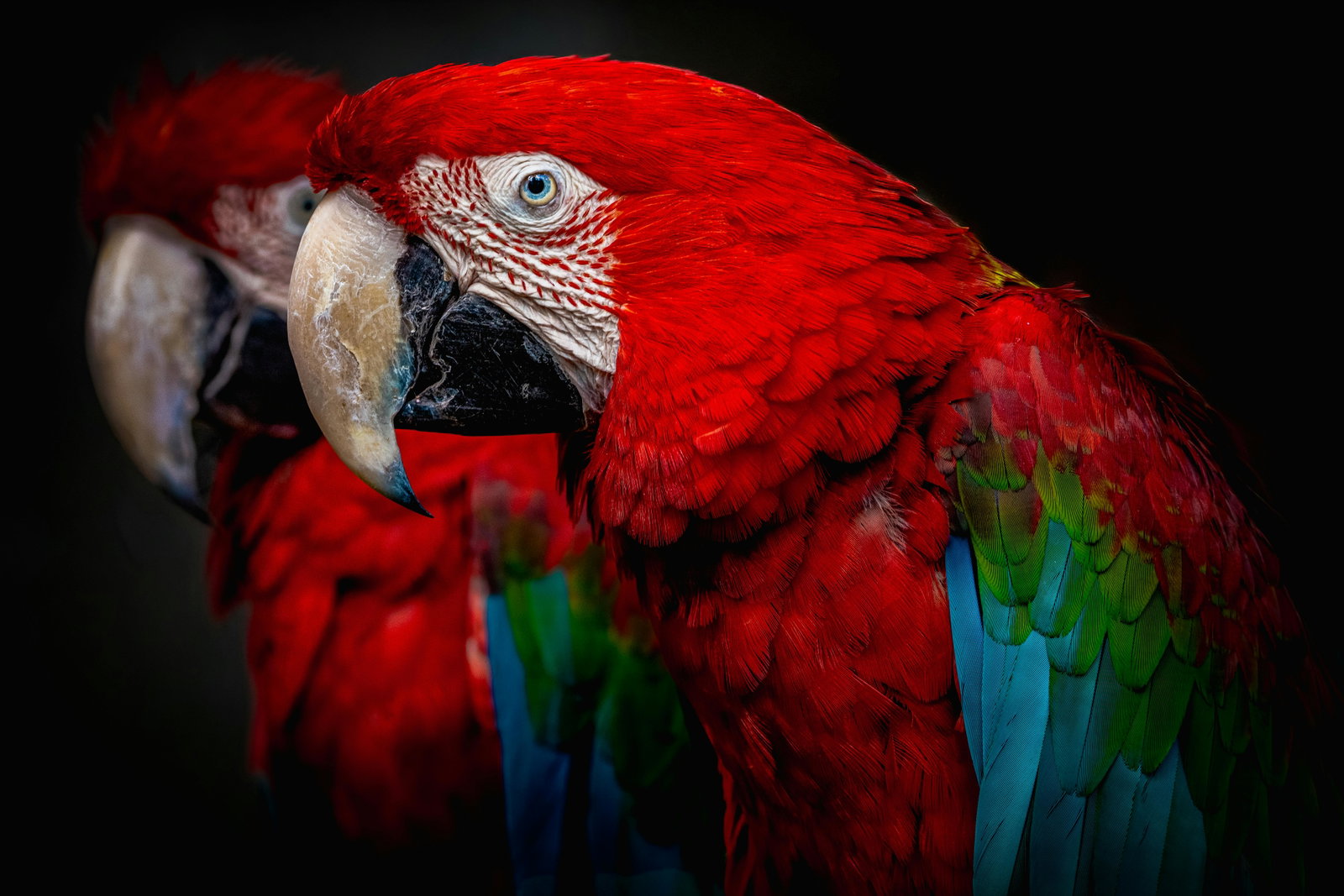
For conservation projects working with small and vulnerable populations, being able to process samples locally can make a significant difference. So we were happy to hear that a Scarlet Macaw conservation project in Belize will be able to do just that, thanks to support from a Harrison’s Bird Foods grant.
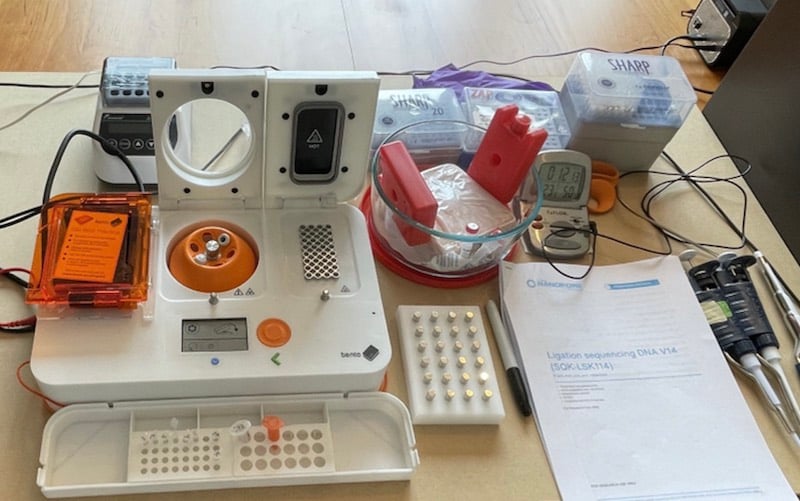
As wildlife veterinarian Jade Kingsley shared in this update, the project has recently added a Bento Lab to its field toolkit, enabling genetic sexing of Scarlet Macaw chicks directly in the field.
With only an estimated 300–350 Scarlet Macaws remaining in Belize, long-term monitoring and conservation efforts are critically important, and understanding chick sex ratios is an important part of long-term population management and conservation planning.
“This is just the beginning, and I’m really excited to start generating data that will directly inform conservation decisions,” Jade said.
A huge thank you to Jade and everyone involved in the Scarlet Macaw project for sharing their work. We’re excited to follow the next stages of the project and see how the data supports future conservation efforts.
Adapting in real time during coral disease fieldwork
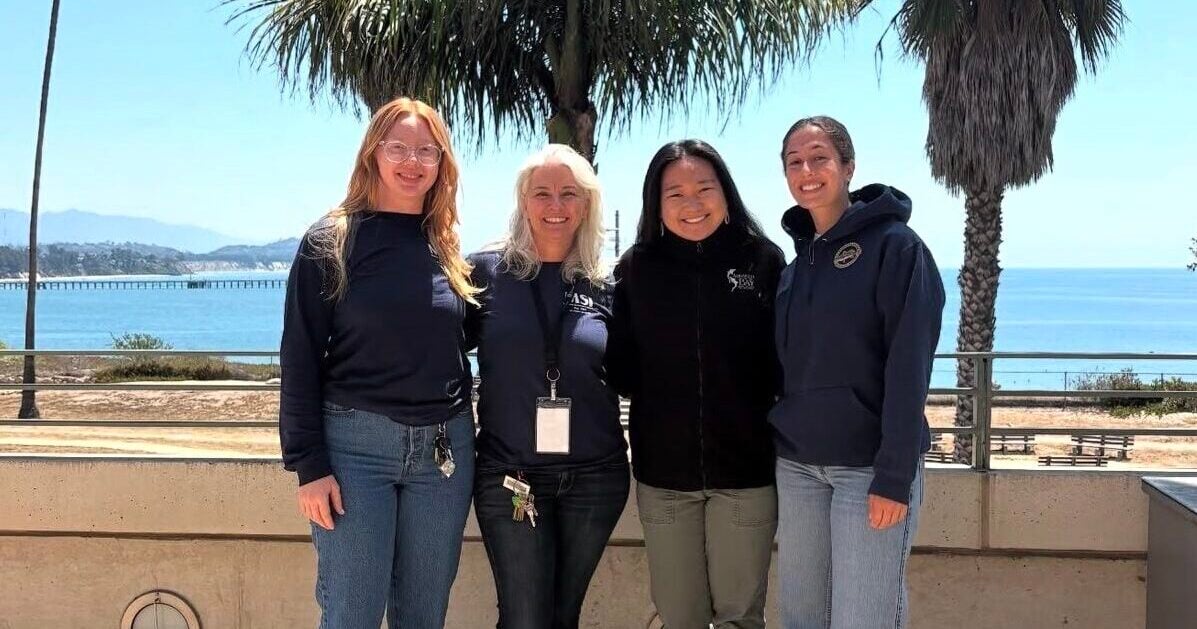
Fieldwork rarely goes exactly to plan, and that was certainly true for Sunni Patton from the Vega Thurber Lab at UC Santa Barbara during a recent research trip to the Florida Keys.
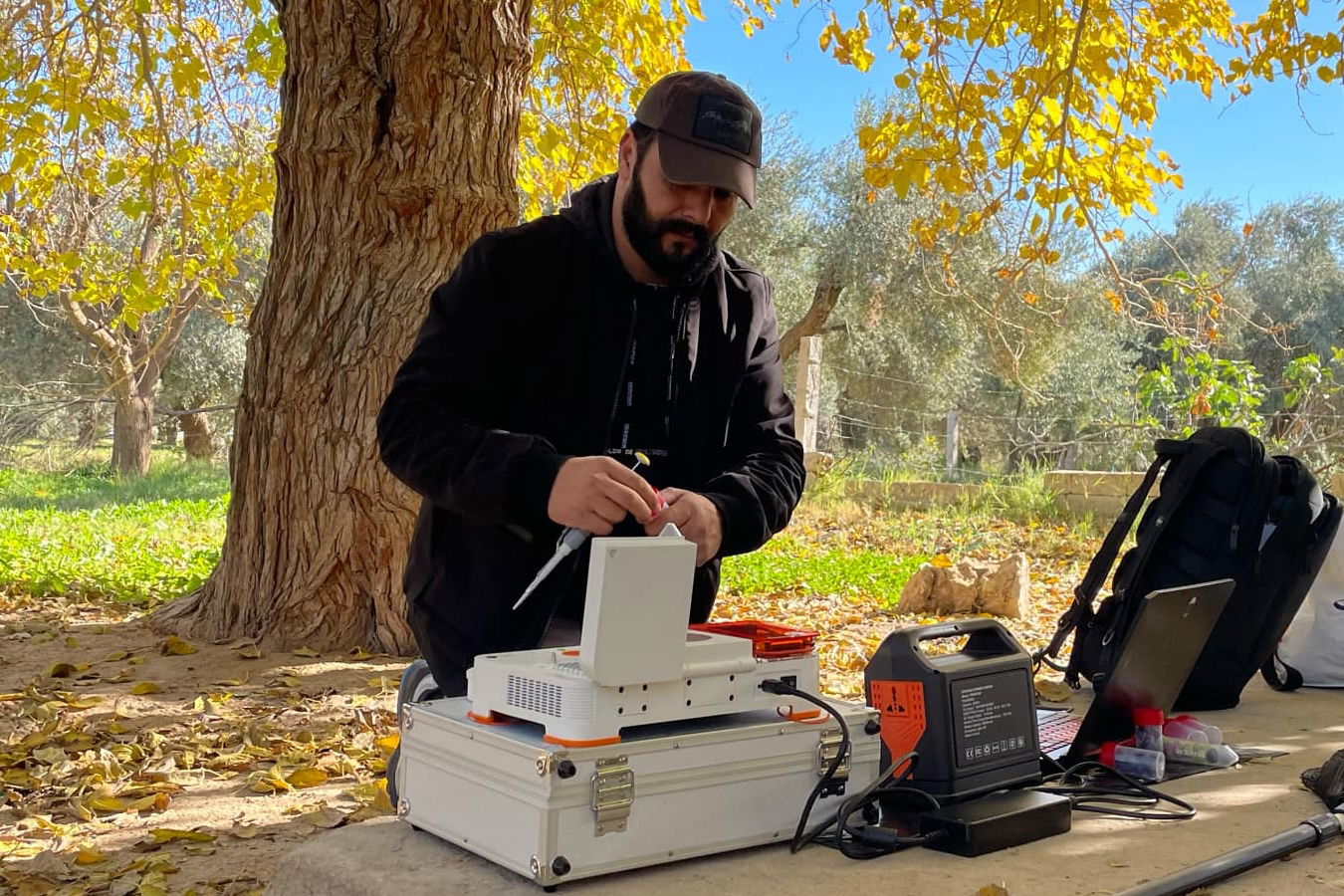
Originally investigating bacteria transmission in staghorn coral, Sunni’s project quickly evolved as new questions and unexpected findings emerged in the field. Having access to molecular biology tools on-site meant she could adapt her workflow in real time, extracting DNA, running PCR, and visualising results directly alongside the fieldwork.
We were happy to share Sunni’s story because it captures something we hear often from researchers working outside conventional laboratory settings: portable workflows are not just about convenience, they can fundamentally change how decisions are made during a project.
From the rice paddy fields of Malaysia…
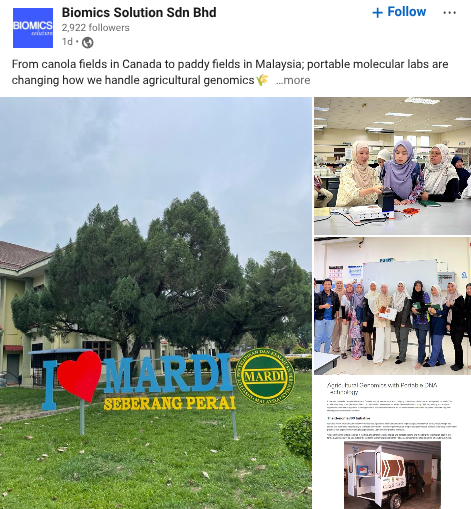
It was great to see this example of field-ready genetics and molecular biology workflows in agricultural research shared on social media earlier this month.
Our distributor Biomics Solution recently ran a hands-on Bento Lab demonstration at MARDI Seberang Perai in Malaysia, one of the country’s key centres for rice research where they are conducting important work in crop surveillance and molecular analysis of paddy-associated bacteria.
Portable molecular biology tools can play an important role in this kind of work, helping researchers move diagnostics and analysis closer to the field itself.
… to the shores of the Outer Hebrides
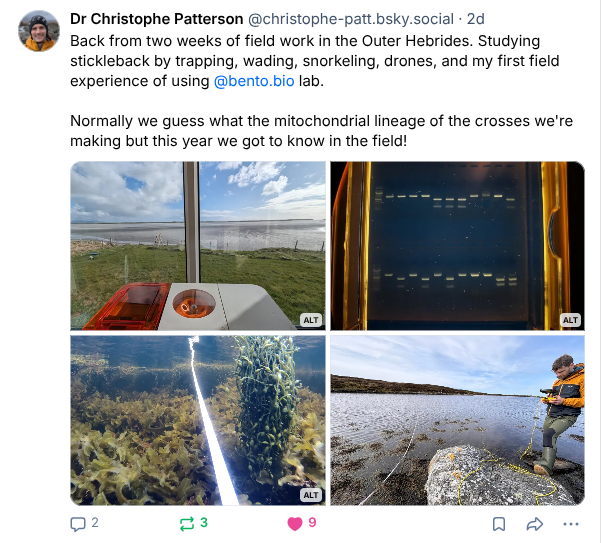
We were also delighted to see this Bluesky post from Dr Christophe Patterson, sharing his first field experience using Bento Lab during two weeks of stickleback research in the Outer Hebrides.
Christophe is currently a postdoctoral researcher in population genomics at the University of Nottingham, investigating genomic differentiation between two ecotypes of three-spined stickleback on North Uist, as well as director of science for the Rock Pool Project, a not-for-profit community outreach project aiming to educate, engage and conserve rock pool wildlife in the UK.
As he explains on his site, his work explores the evolutionary origins and genomic differences between resident lagoon populations and migratory anadromous populations that return to the sea outside the breeding season.
Wishing Christophe and the MacColl Lab team the very best with the next stages of the research!
Thanks for following along with us this month. We’re continually inspired by the researchers, educators, conservationists, and students finding new ways to bring molecular biology closer to the field.
As always, we’d love to hear what you’re working on too. Get in touch to share your latest project, or send us a field photo from your next adventure.
The Bento Bio Team
Enjoyed this monthly round-up?
You can subscribe to our newsletter and we will deliver next month’s round-up straight to your inbox.