June 2026 Round-up
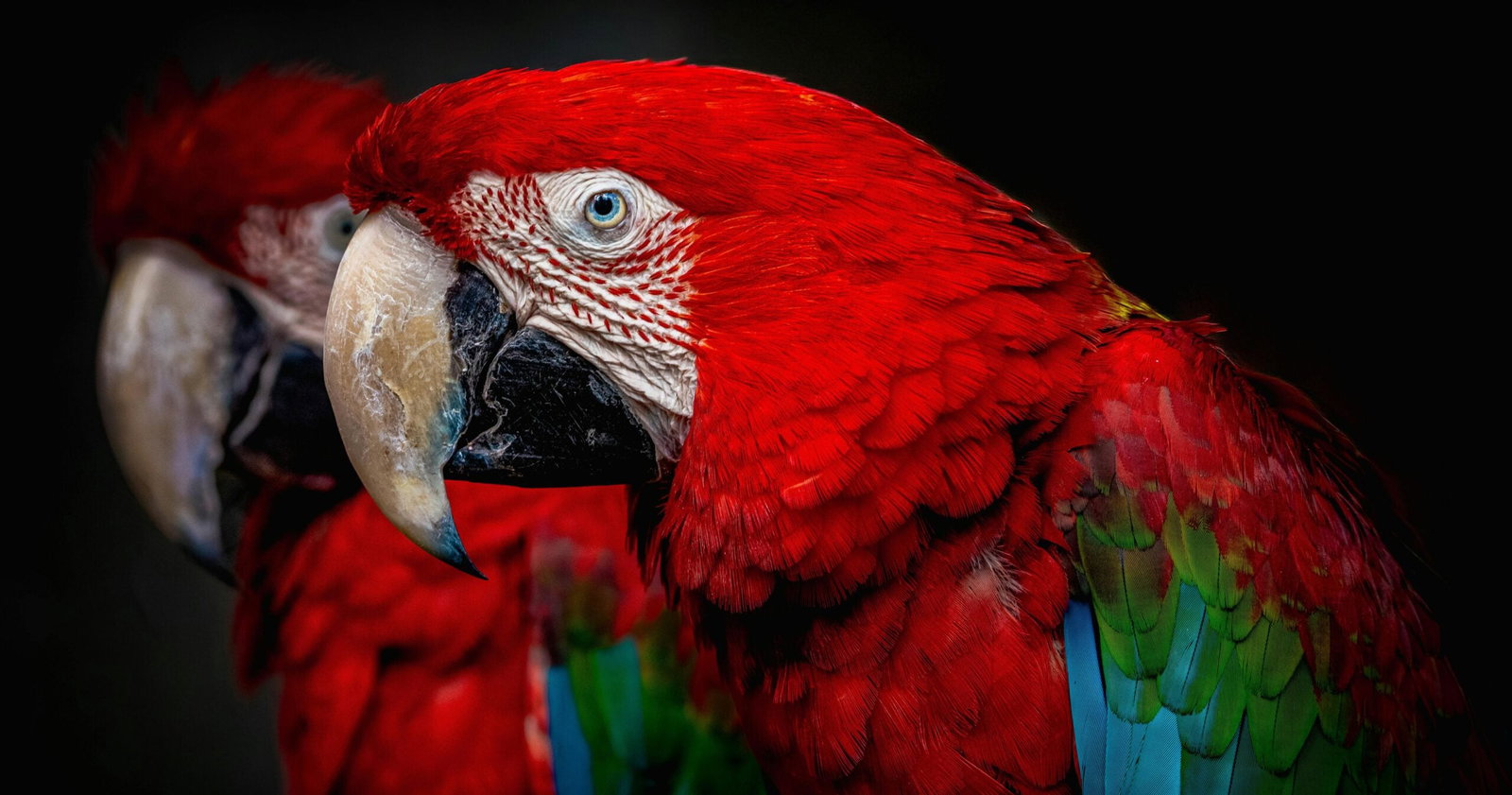
This month we’re going birding.
We’re starting in Bhutan, where Bento Lab is helping support conservation of the critically endangered white-bellied heron, before taking a look at our refreshed bird sexing resources and some practical tips for PCR workflows in the field.
FIELD NOTES: Saving white-bellied herons in Bhutan
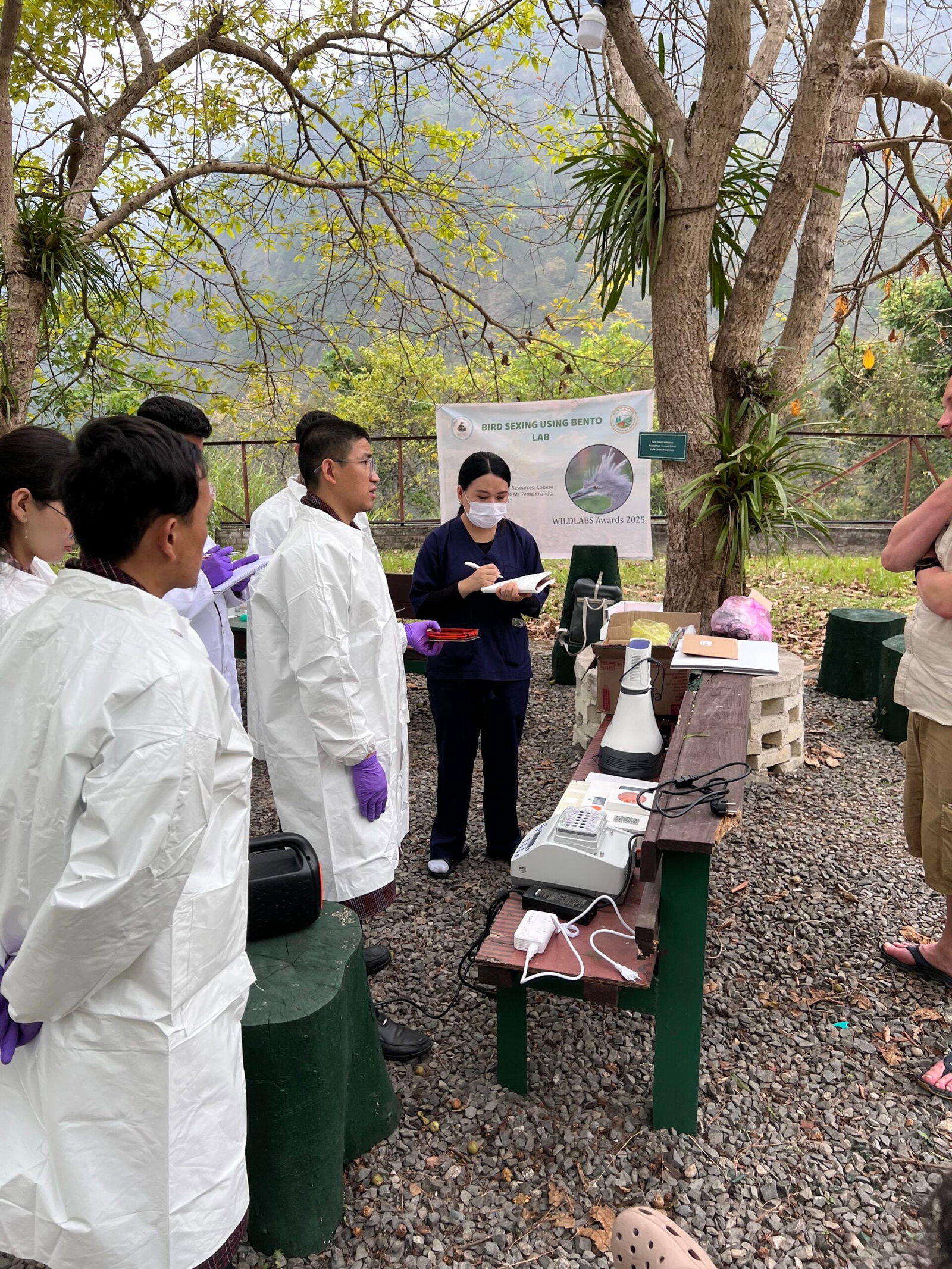
Bird sexing workshop on site in Bhutan.
With only around 60 White-bellied Herons remaining globally, understanding breeding populations is critically important. So we were delighted to see the Bento Lab made its way to Bhutan to support conservation work there.
We recently spoke with Pema Khandu, a PhD researcher at Texas State University and member of the White-bellied Heron Working Group under the IUCN, about his work studying the habitats of one of the rarest birds on Earth, supported by an WWF–EFN Fellowship.
The portable equipment enabled Pema and collaborators to carry out genetic sexing directly at a captive breeding centre, avoiding the need to send samples abroad for analysis.
“For the critically endangered White-bellied Heron, this is especially important,” Pema explains. “Males and females are visually indistinguishable, and only genetic methods can reliably determine sex.”
We especially loved hearing how the project also brought together conservation staff, university faculty, and students through hands-on field workshops, and how Bento Lab sparked interest for future classroom teaching and community outreach in Bhutan.
As Pema put it:
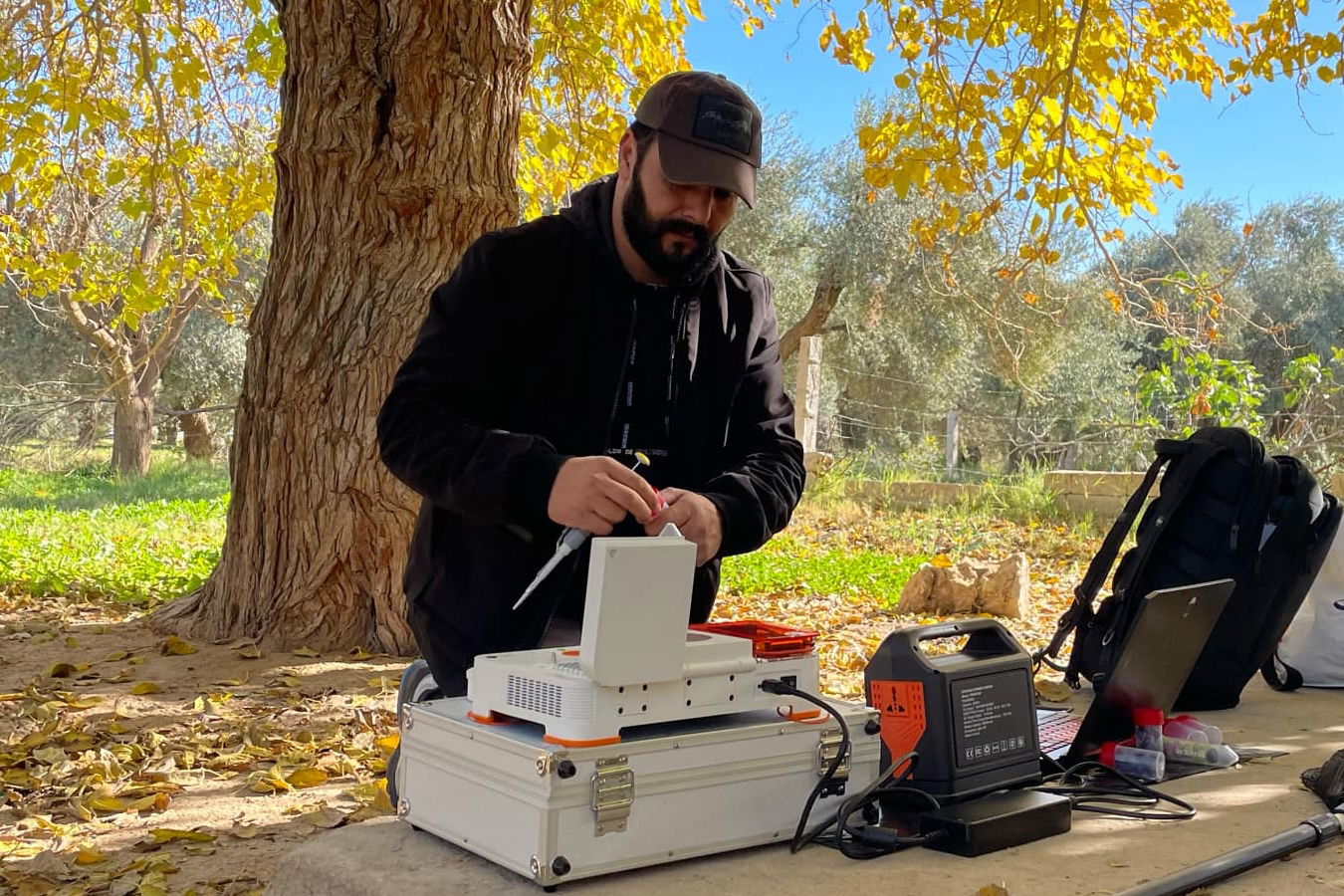
“What once required a full laboratory can now be done right in the field. With portable tools like the Bento Lab, genetic sexing and eDNA analysis can be carried out within just a few hours, bringing science closer to the landscapes and species we aim to conserve.”
A huge thank you to Pema Khandu, the Royal Society for Protection of Nature, the College of Natural Resources at the Royal University of Bhutan, and all collaborators supporting this important conservation work.
New guides to help you get started with bird sexing

As Pema’s story illustrates, bird sexing with PCR can open up opportunities in breeding, conservation, research and education. But for many people, getting started is the hardest part.
That’s why we’ve refreshed our bird sexing resources, bringing together practical guides, scientific background and real-world examples in one place.
What’s new?
- An updated bird sexing landing page and a clear five-step workflow
- A resources hub with guides for both beginners and more advanced users.
- Advice on what you need to get started, and what you need when you’re ready to scale up
- A cost calculator to help plan your setup
- An explainer covering the science behind bird sexing and the variety of primer sets available
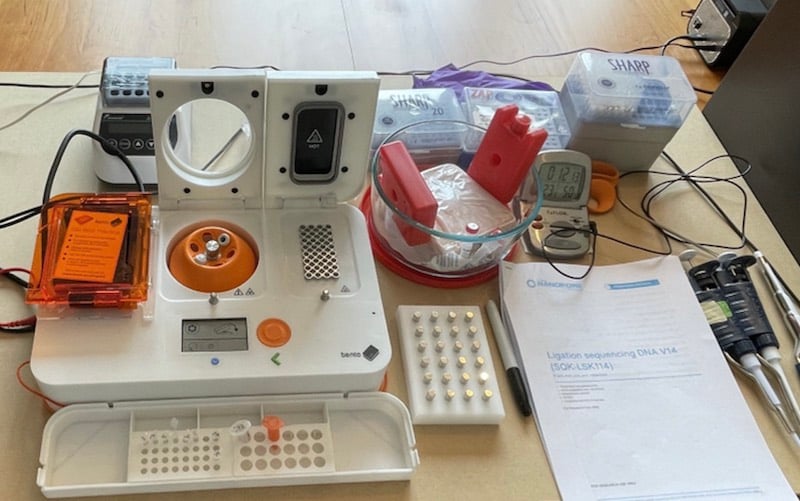
- Tips for setting up a home lab
- User stories showing how people are putting these tools to work, including a beginner who built her own chicken sexing business from scratch.
Our goal with these resources is simple: make bird sexing easier to understand, easier to start, and easier to adapt to your own projects.
Explore the updated resources and let us know what you’d like to see next!
Spotted on social
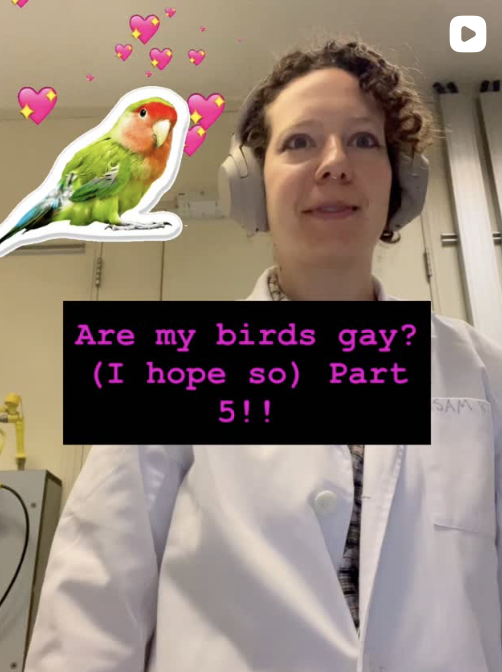
Our HotSHOT DNA Extraction Kit was spotted in a series of fun bird sexing experiment reels on Instagram.
Thousands of people eagerly followed along as marine ecology PhD student Sam Klein used PCR to determine whether her lovebirds were male or female. She documented some of the challenges she encountered along with her results.
Kudos to Sam for such an effective and engaging series!
Thanks for following along with us this month. We’re continually inspired by the researchers, educators, conservationists, and students finding new ways to bring molecular biology closer to the field.
As always, we’d love to hear what you’re working on too. Get in touch to share your latest project, or send us a field photo from your next adventure.
The Bento Bio Team
Enjoyed this monthly round-up?
You can subscribe to our newsletter and we will deliver next month’s round-up straight to your inbox.