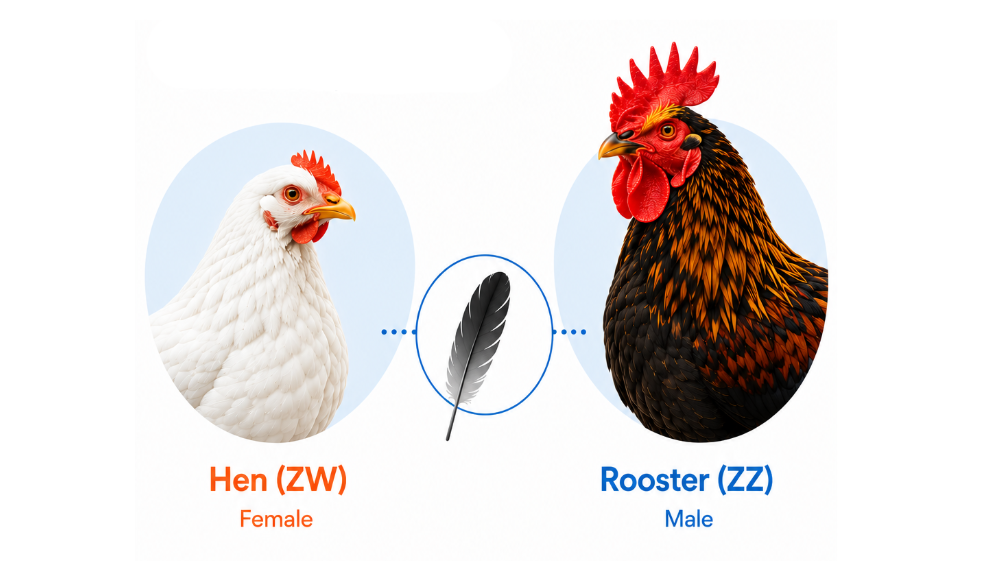
Many bird species are sexually monomorphic, meaning males and females can look almost identical, as adults or when very young. In these cases, determining sex visually can be difficult or impossible.
DNA-based bird sexing provides a reliable and non-invasive alternative to morphological sexing by identifying genetic differences linked to the sex chromosomes of birds.
But how does it actually work?
Birds have a different sex chromosome system than humans
In humans, biological sex is typically determined using X and Y chromosomes:
- XX = female
- XY = male
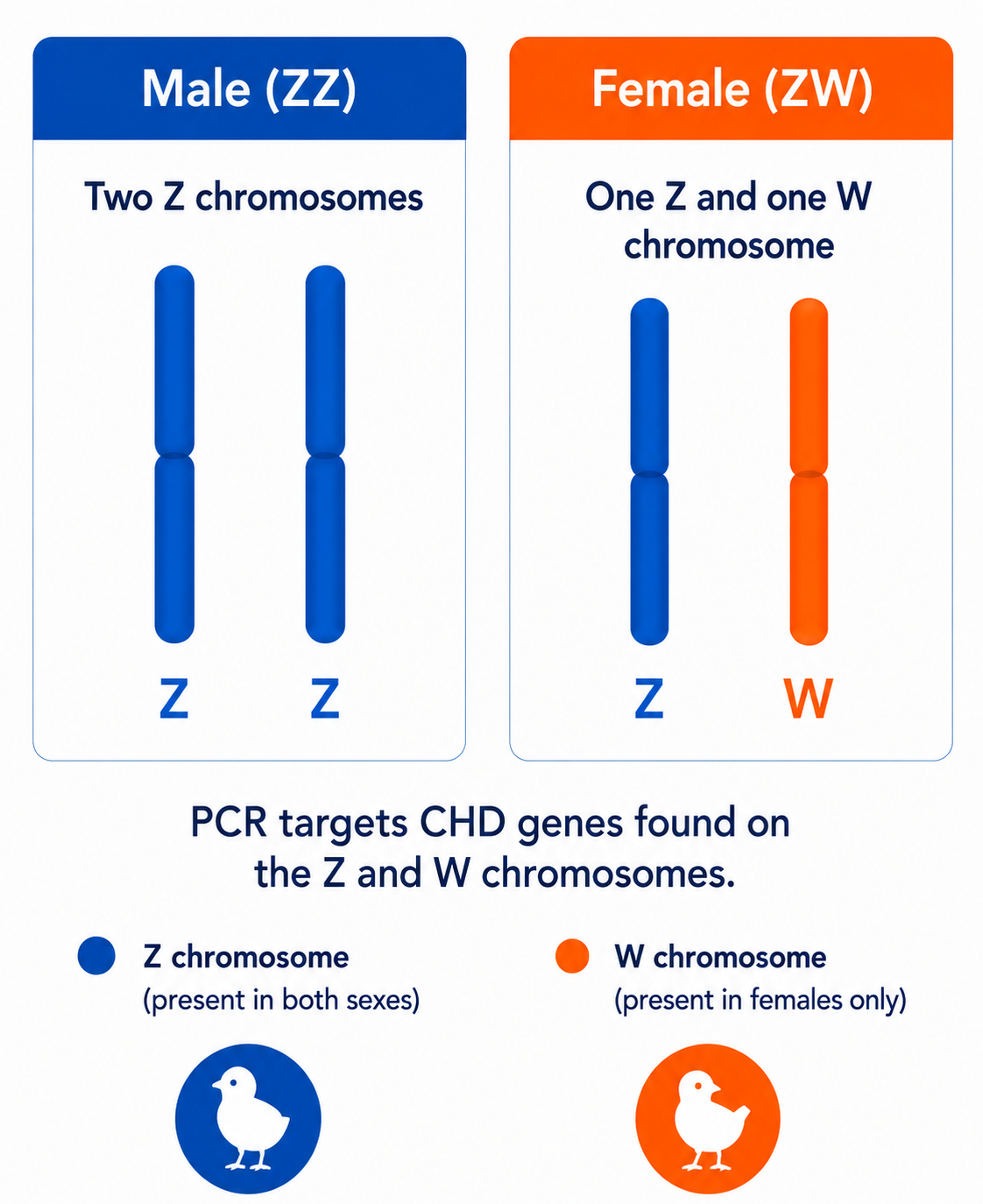
Birds use a different system:
- ZW = female
- ZZ = male
This means female birds carry two different sex chromosomes (Z and W), while male birds carry two copies of the Z chromosome.
PCR bird sexing workflows take advantage of small genetic differences between these chromosomes to help you distinguish between male and female birds.
The CHD1 genes
Most bird sexing PCR workflows target genes known as CHD1-Z and CHD1-W.
These genes are found on the bird sex chromosomes and are very similar in structure and function. However, small differences in the DNA sequence between the two versions allow them to be distinguished using PCR and gel electrophoresis.
Importantly:
- female birds (ZW) produce both CHD1-Z and CHD1-W fragments
- male birds (ZZ) usually only produce detectable CHD1-Z DNA fragments
The differences between these genes form the basis of many common bird sexing assays.
How PCR is used in bird sexing
PCR (Polymerase Chain Reaction) is a method used to amplify specific regions of DNA.
In a bird sexing workflow:
- DNA is extracted from a sample
- Primers target regions of the CHD1 genes
- PCR amplifies these DNA fragments
- The amplified DNA is visualized using gel electrophoresis
Because the amplified CHD1-W and CHD1-Z gene fragments are different in size for most (but not all) bird species, they can be separated and visualized on an agarose gel, and interpreted as a visual result indicating a male or female bird.
Interpreting the results
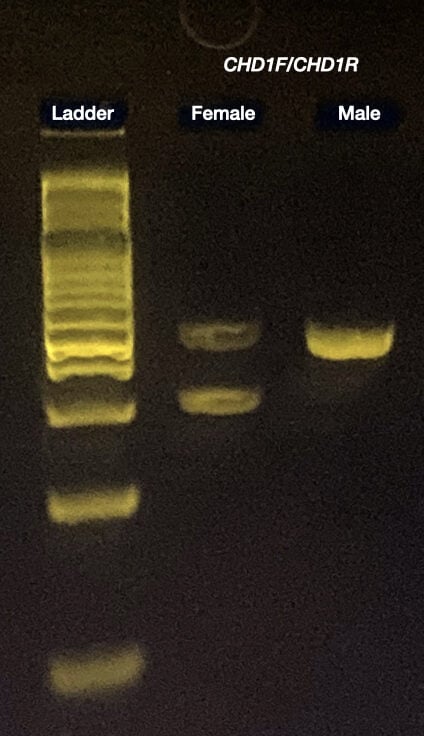
In the standard type of endpoint PCR bird sexing workflow:
- males typically produce one visible DNA band of an appropriate size
- females typically produce two visible DNA bands of an appropriate size
Band sizes are compared to a DNA ladder, which contains DNA fragments of 100 to 3,000 base pairs in length, in increments of 100 from 100-1,000, then 1,500, 2,000, and 3,000, with the smaller fragments at the bottom.
This allows users to determine sex visually after running the PCR products on a gel.
The size, pattern and other attributes of the bands (such as PCR artifacts) can vary depending on:
- species
- primer set
- gel conditions
- DNA quality
This is why comparing results to expected controls and reference examples is important.
Why targeting both CHD1 variants is useful
One advantage of many CHD1-based workflows is that the CHD1-Z fragment acts as an internal positive control.
Because both male and female birds carry the Z chromosome, at least one DNA band should normally appear if the workflow has worked correctly.
If no band appears, this may indicate:
- poor DNA extraction
- failed PCR amplification
- degraded samples
- workflow issues
This helps reduce the risk of incorrectly assigning sex due to a failed reaction.
Why different bird species need different primers for the same test
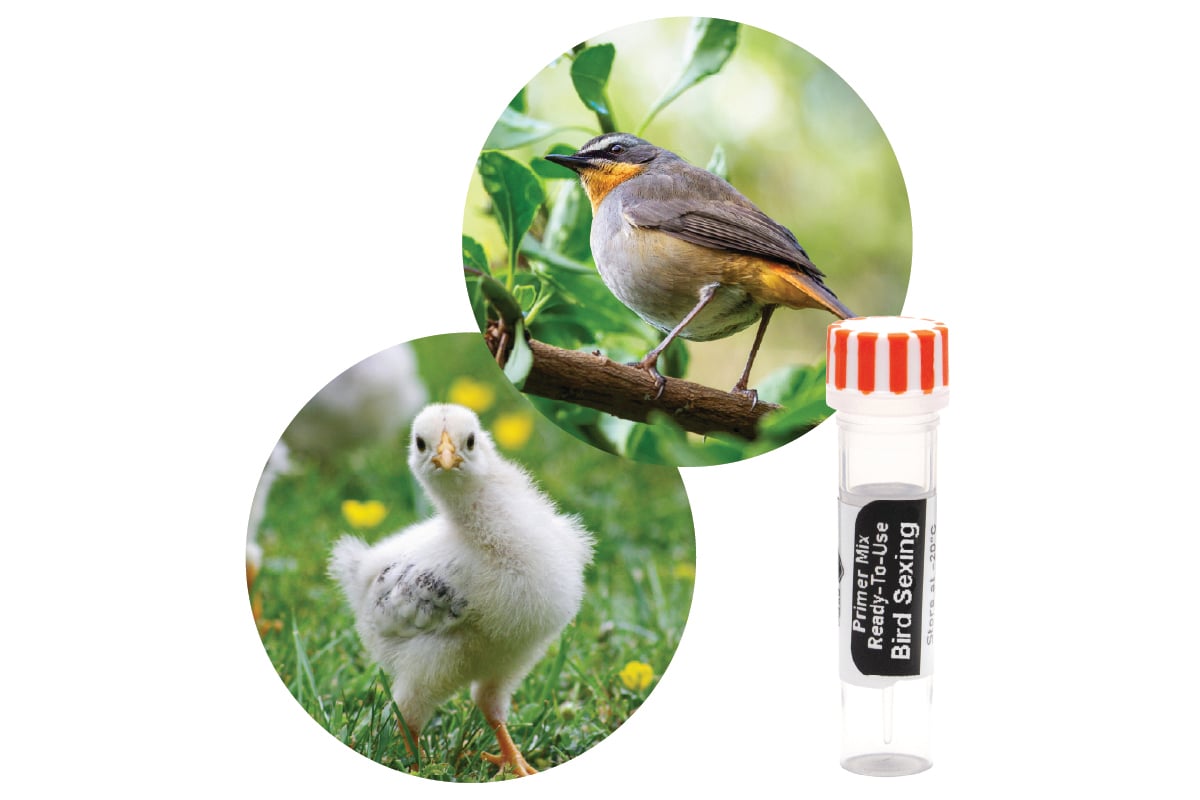
For PCR to work, the PCR mix needs to contain primers (DNA tags that specify the region of DNA to be amplified) that can bind specifically onto the CHD1 Z and CHD1 W genes of the target bird.
But birds are genetically very diverse (over 4,000 species worldwide!), and so primers that work with one species may not work with another.
Fortunately, people have been sexing birds with this method for more than 20 years, so there is a large (but not complete) body of evidence showing which primer set works with which bird species.
We have captured a lot of this information in our bird sexing primer guide.
What samples can be used?
Bird DNA sexing workflows can often be performed using feathers, blood spots, eggshell membranes or tissue samples. The most appropriate sample type depends on species, workflow goals, DNA quality and sample availability.
Feathers are particularly popular for beginner workflows because they are:
- easy to collect
- minimally invasive
- suitable for many species
Blood spots can be extremely useful because they are:
- extremely rich in DNA
- suitable for sampling from birds of all ages (even one day old chicks)
- Low tech and easy to make stable
How accurate is bird sexing PCR?
PCR-based bird sexing workflows are extremely reliable when used with suitable primers, good workflow practices, and suitable negative and positive controls.
If the PCR fails, then you will get no result or unclear results, rather than an incorrect sex determination. In these cases, repeating the PCR and/or gels using diluted DNA extractions often solves the problem.
Good workflow organisation is important, including:
- careful sample labelling
- contamination prevention
- use of controls
- correct primer selection
Why bird sexing PCR is becoming more accessible
Historically, bird DNA sexing was mainly performed by specialist laboratories and commercial testing services. Today, compact PCR workflows and beginner-friendly resources are making these techniques increasingly accessible for:
- educators
- birding groups
- avian breeders
- conservation projects
- workshops
- first-time molecular biology users
Many users begin with small workflows involving only a handful of samples before expanding to larger or more regular testing workflows.
Can anyone get started with PCR bird sexing?
Yes, but it is a learning process, involving gaining good lab skills (including pipetting, PCR, electrophoresis, and how to avoid contamination), as well as how best to work with your particular bird species, as some species may be more difficult than others.
Learn more
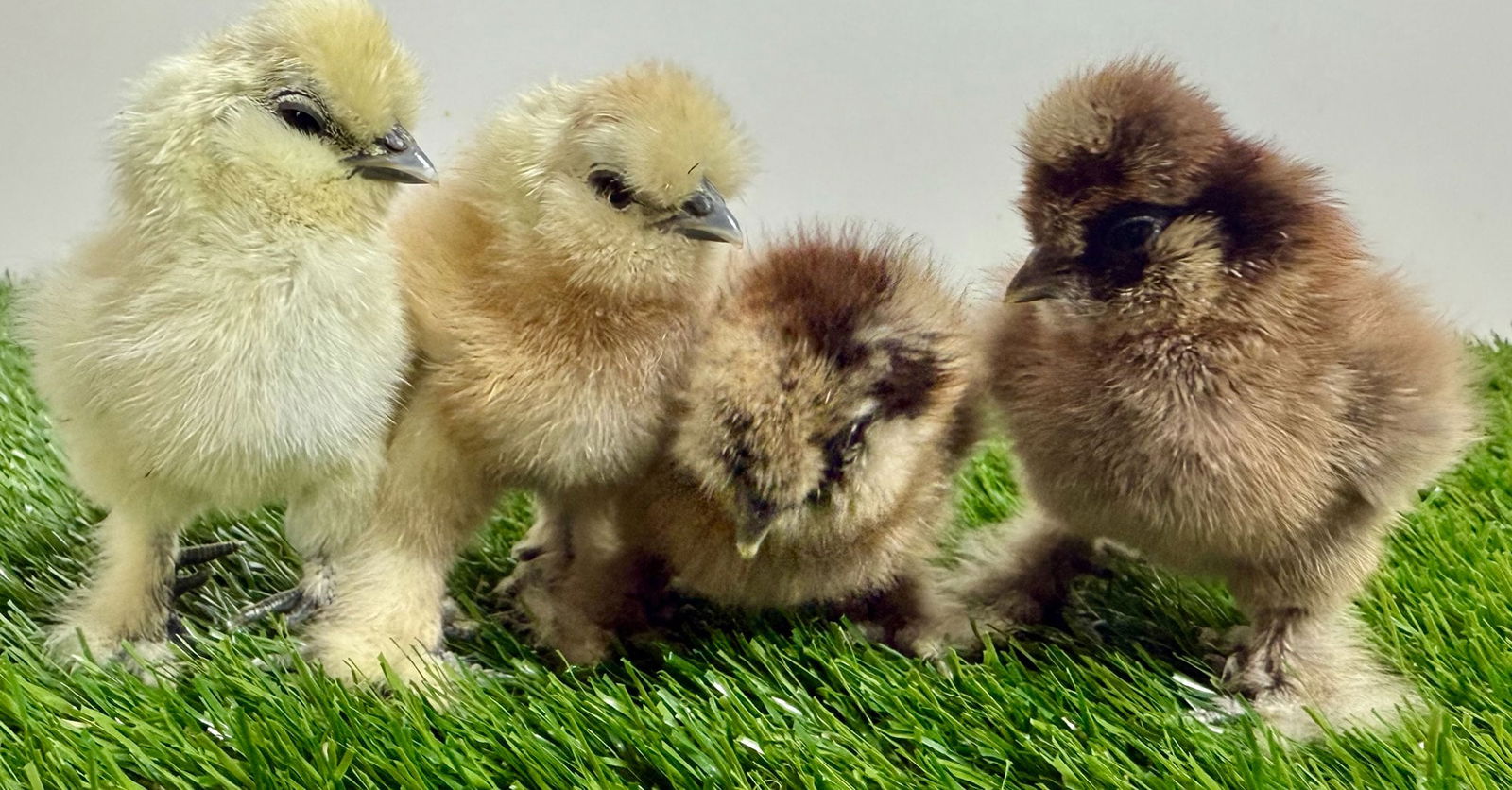
See how one user went from poultry enthusiast to bird sexing lab owner.
Read Brittany’s Story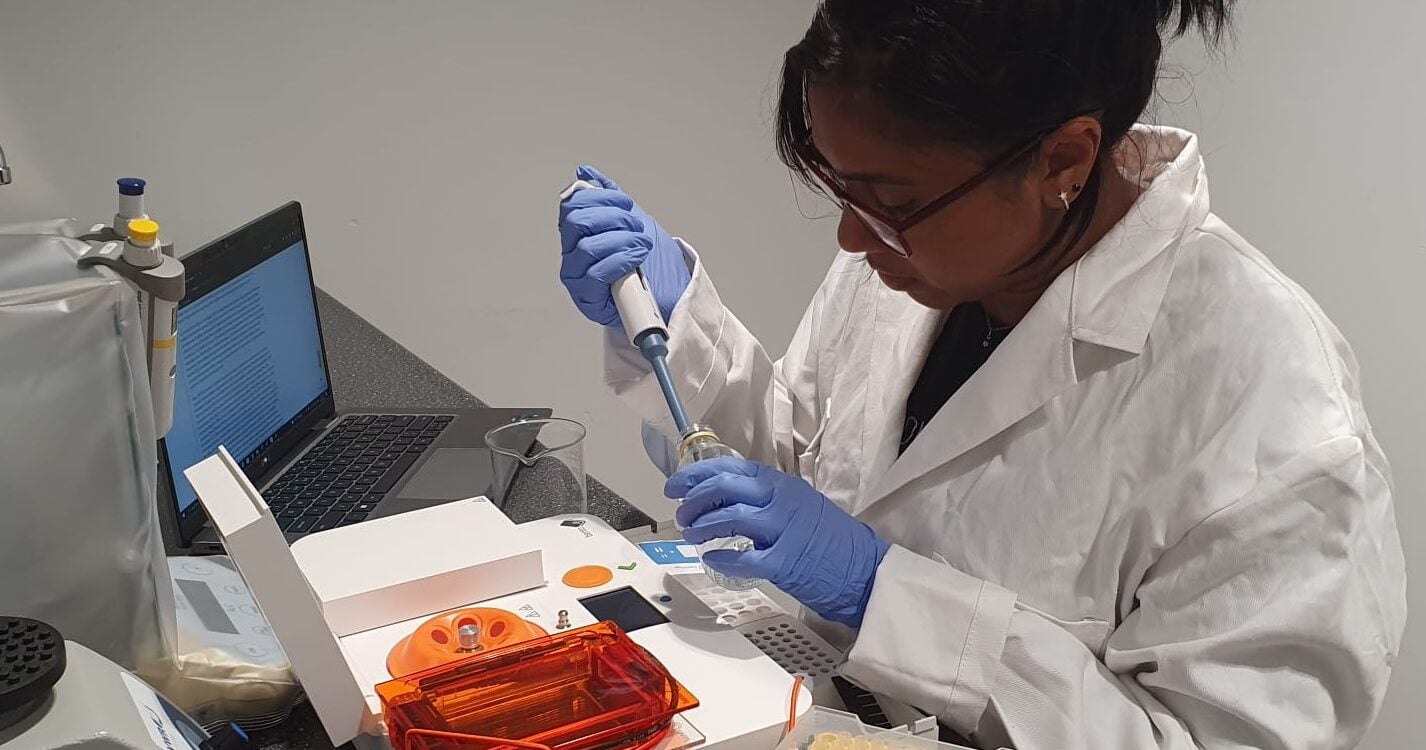
Build your laboratory skills with our handy tutorial series.
Check out Biotech 101
Interested in exploring bird sexing PCR workflows further?
Visit our Bird Sexing Resources