One of the most common questions from new Bento Lab users is:
“How should I store my PCR equipment and reagents?”
This is especially important for:
- first-time home lab setups
- temporary teaching or outreach spaces
- bird sexing workflows
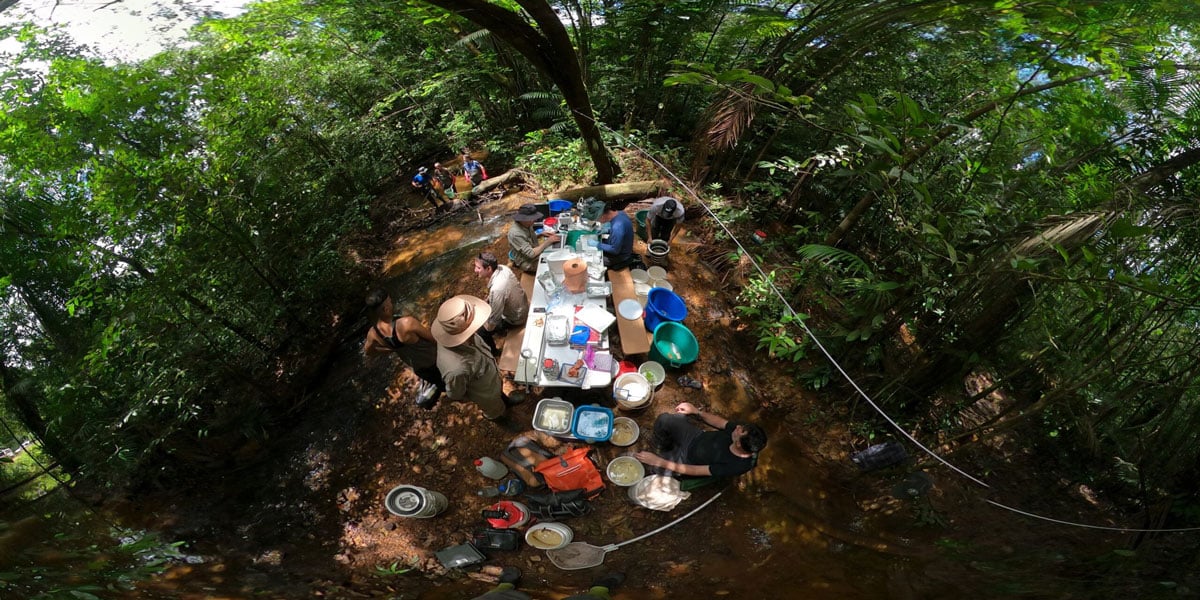
- field-based molecular biology
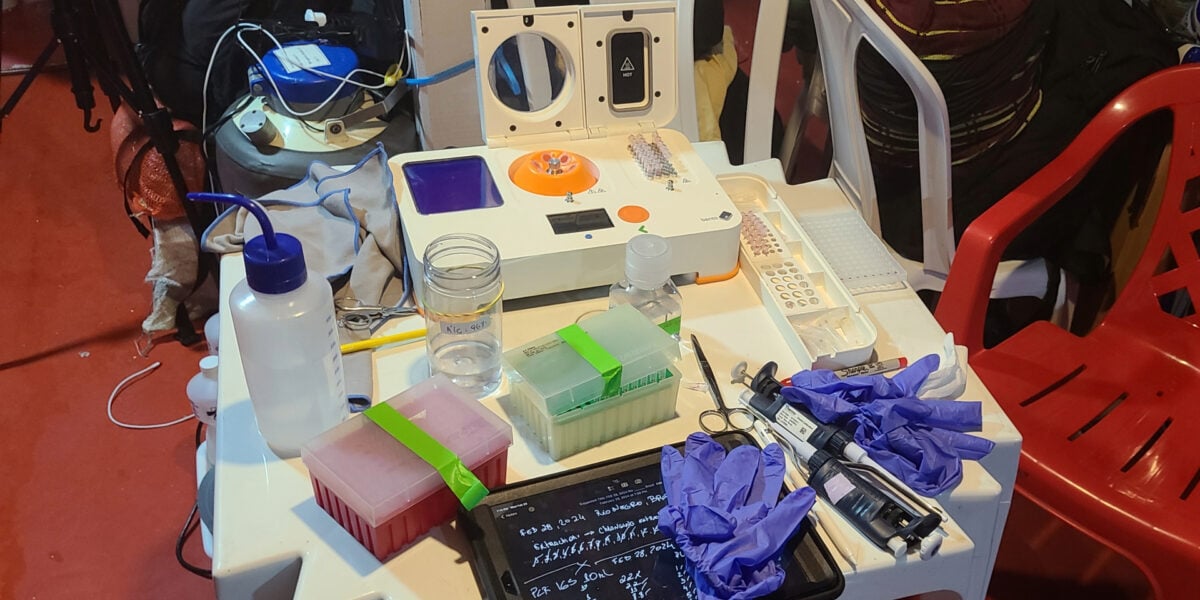
- portable PCR work without constant access to electricity
The good news is that many PCR workflows are more flexible and portable than people initially expect. With some thoughtful organization and good storage habits, it is entirely possible to run reliable workflows outside of conventional laboratory environments.
In this guide, we share practical recommendations and best practices for storing PCR equipment, reagents, and consumables in both ideal home setups and portable field-based environments.
Start with organization, not complexity
A good PCR workspace does not need to look like a large research laboratory.
In most cases, success comes from:
- keeping equipment organised
- separating clean and used materials
- reducing contamination risk
- storing reagents appropriately
- creating a workflow that is easy to repeat consistently
Whether you are working from a spare room, a classroom, a field station, a workshop, a temporary workspace or a remote research site, good organization matters more than having a large amount of infrastructure.
Bento Lab was specifically designed to make molecular biology workflows more compact and accessible by combining thermocycling, centrifugation, gel electrophoresis and transillumination into a portable all-in-one system.
Setting up a simple home PCR workspace
A practical home PCR workspace should ideally:
- have a stable work surface
- be dry and well ventilated
- be easy to wipe clean
- have access to mains electricity
- be separate from food preparation areas where possible
- allow some separation between clean and used materials
Separate pre-PCR and post-PCR materials
One of the most important concepts in PCR workflows is avoiding contamination.
A desk, utility table, shelving unit, or mobile cart can work very well.
Plastic trays or wipe-clean mats can help define working areas and simplify cleaning.
PCR products contain extremely high concentrations of amplified DNA and can contaminate future reactions if they are handled carelessly.
To minimise this risk, keep clean reagents and PCR setup materials separate from amplified PCR products and gels.
Even in small workspaces, it helps to create two distinct zones.
Pre-PCR area
Used for:
- preparing reactions
- handling primers and mixes
- clean pipetting
- DNA extraction
Typical items:
- PCR master mixes & primers
- PCR-grade water
- clean pipette tips
- PCR tubes
Post-PCR area
Used for:
- gel electrophoresis
- visualising results
- handling PCR products
- DNA ladders
Typical items:
- electrophoresis reagents
- DNA ladder
- PCR products
- completed gels
Cold storage
What should ideally be frozen?
Some PCR reagents are best stored at approximately -20 °C to maximise shelf life and long-term performance. PCR master mixes and primers, for instance, should be frozen after opening or soon after receipt.
Make sure to check the requirements of each product.
Pre-PCR reagents
- primer mixes
- PCR master mixes
- PCR-grade water (recommended but not essential)
Post-PCR materials
- DNA ladder
- DNA extractions you wish to keep
- PCR products you wish to keep
If possible:
- use a non-frost-free freezer
- minimise unnecessary thawing
- aliquot reagents into smaller tubes where practical
Frost-free freezers periodically warm during defrost cycles, which can increase freeze-thaw stress over time. If only a frost-free freezer is available, storing reagents inside an insulated secondary container can help minimise temperature fluctuations.
For home workflows, many users begin successfully using standard household freezers with careful organisation.
If possible, avoid storing PCR reagents alongside food items.
Ambient storage
Many items can be stored at room temperature
Many PCR workflow items can be stored conveniently at ambient temperature in sealed storage containers.
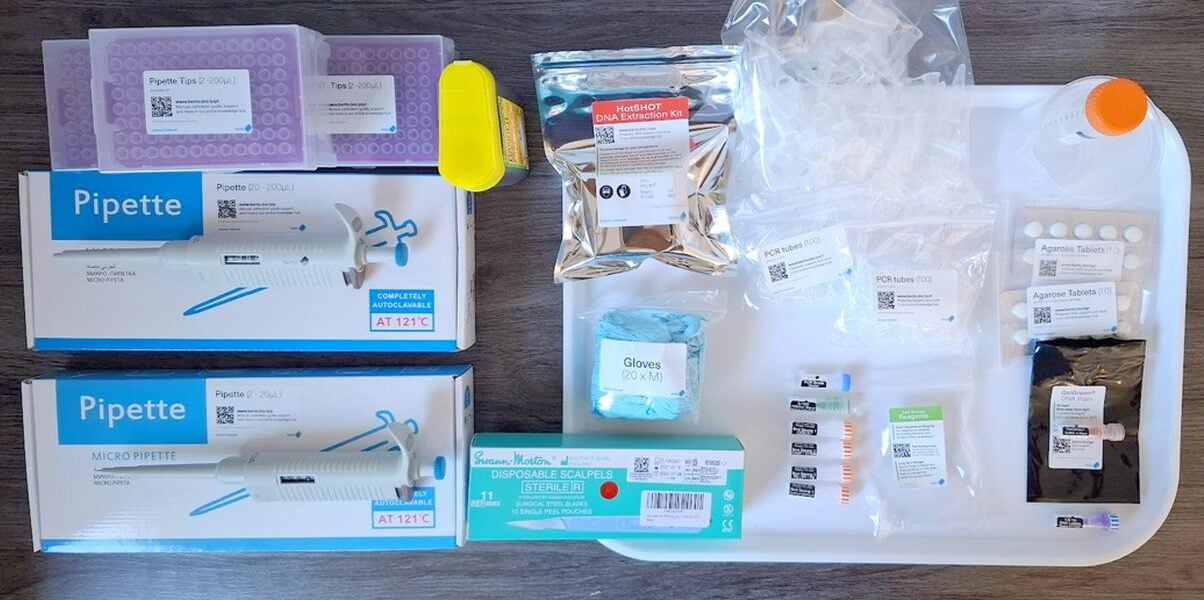
These commonly include:
- HotSHOT DNA Extraction Kit
- TBE buffer
- distilled water
- agarose tablets
- GelGreen DNA stain
- micropipettes
- pipette tips
- PCR tubes
- centrifuge tubes
- gloves
- general workspace supplies
Using labelled plastic storage boxes can make workflows dramatically easier to manage.
For example:
Clean PCR setup box
- primers
- PCR tubes
- pipette tips
- gloves
DNA extraction box
- extraction reagents
- sampling tools
- pestles
- centrifuge tubes
Electrophoresis box
- agarose
- buffers
- gel stains
- trays and combs
Post-PCR storage box
- DNA ladders
- PCR products
This organisation helps reduce mistakes, simplify setup and cleanup, improve workflow consistency and reduce contamination risk
What about fieldwork or working without electricity?
If you’re working outside of a conventional laboratory, you could be working in a wide range of different operating temperatures. And if you’re on the move, it may be inconvenient to have a fridge, freezer, or ice packs to protect samples, PCR reagents, and DNA extracts.
With Bento Lab, you should be able to work in a wide range of environmental conditions provided they are not too extreme: Bento Lab is rated for usage within a temperature range of 10°C to 35°C, in a maximum relative humidity of 80%, and is safe for use at ambient temperatures up to 40°C.
- For working without a cold chain, you could consider using our room-temperature stable reagents, which are stable after shipping for at least 30 days if unopened.
- You could also consider using lyophilized PCR beads, although these can be substantially more expensive per sample.
- Primers stored in low EDTA-TE buffer can be very stable at ambient temperatures (see this study) provided they remain uncontaminated.
Also consider using a hot-start PCR master mix, such as HOT FIREPol Master Mix, to reduce the risk of non-specific amplification when setting up PCRs at room temperature.
Best practices for portable and field-based workflows
Cool bags, insulated containers, and cold packs can help reduce temperature fluctuations during transport and field use.
Even passive cooling can make a meaningful difference.
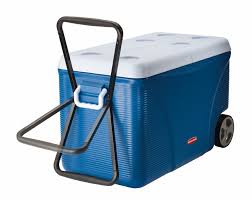
Avoid repeatedly removing reagents from cooling unnecessarily.
Try to organise workflows so that reagents are only exposed briefly during setup.
Smaller portions (aliquots) help:
- reduce repeated freeze-thaw cycles
- minimize contamination risk
- reduce reagent waste
Vehicles, tents, and outdoor workspaces can heat rapidly in direct sunlight, and sunlight can degrade DNA, primers, and reagents.
Keep sensitive reagents shaded whenever possible.
Portable workflows become much easier when everything has a designated place.
Many users find it helpful to pack separate containers for:
- cold storage
- clean setup materials
- electrophoresis supplies
- waste and cleanup items
- Run through your workflow in advance in a safe environment to make sure that your equipment and protocols are working satisfactorily
- Consider taking a separate set of reagents and lab plastics in case any become spilled, lost, or contaminated while outside of the lab
- Take a spare set of gel box electrodes in case of accidental breakages
Most Bento Lab workflows use generally safe equipment, reagents, and protocols. But it is always a good idea to assess the risks present in your workflow.
- Familiarise yourself with the safety advice for Bento Lab and Safety Data Sheets for any reagents that you will be using in your lab setup
- Keep all equipment, reagents, and plastics secure and out of the reach of children and animals
- Use gloves for all lab work (to protect yourself and to avoid cross-contamination), and wear eye protection when necessary
- Be careful of sharps, molten agarose, DNA stain, and any chemicals you may be using, including any diluted bleach used for equipment decontamination
- Know how you are going to dispose of your lab wastes, or how you’ll carry them out with you if you can’t dispose of them on-site.