Components and Physical Layout
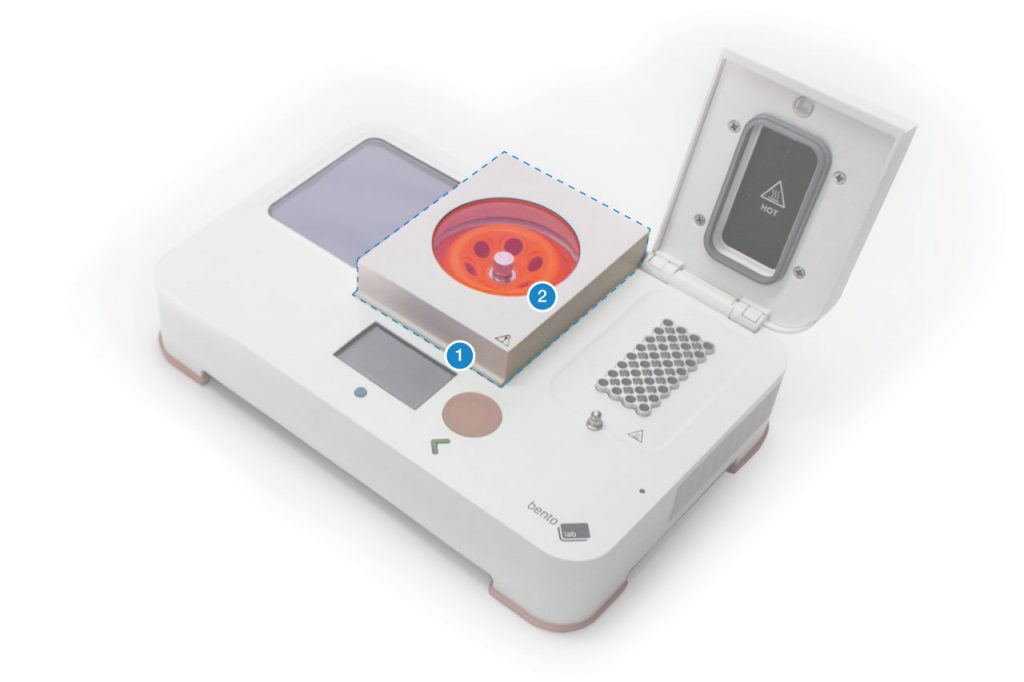
The centrifuge module is visibly located in the middle of the Bento Lab system. To ensure safety, it comes with an automatically locking lid 1. The removable rotor of the microcentrifuge (in orange) 2 is visible through the lid window.
Centrifuge Specifications
| Bento Lab Entry | Bento Lab Pro | |
|---|---|---|
| Rotor Capacity | 6 of 1.5 mL tubes | 6 of 2 mL tubes |
| Centrifugal Force | Fixed: 2700 g | Variable: 500 – 8000 g |
| Modes | Burst Spin, Time Spin (up to 60 min) | |
Rotor and Tube Compatibility
Two rotor types are available for Bento Lab: 1.5 mL and 2 mL centrifuge rotor.
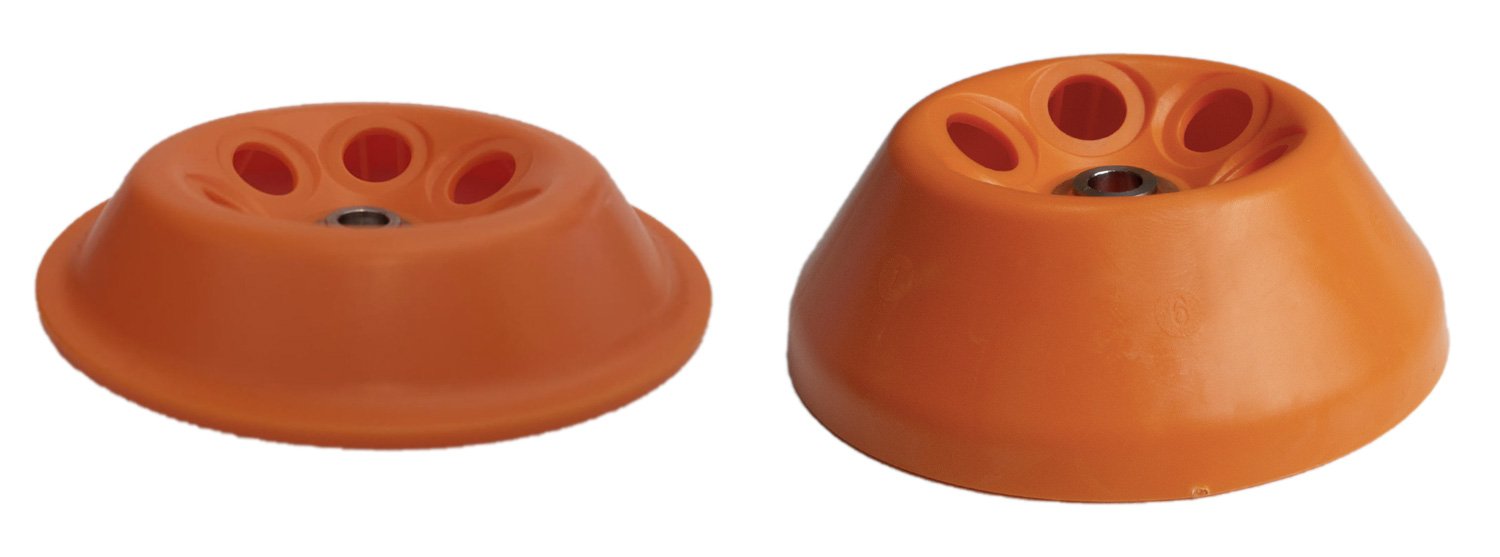
1.5 mL centrifuge rotor (left), 2 mL centrifuge rotor (right)
The 2 mL centrifuge rotor is compatible with both 1.5 mL and 2 mL microcentrifuge tubes, skirted and unskirted. These include 2 mL spin columns in lidless collection tubes. If you are using lidded 1.5 mL or 2 mL tubes as collection tubes, cut the lids off before use.
Warning: Do not use tubes with open lids in the centrifuge, as this might damage the centrifuge and scratch the centrifuge module lid.
The 1.5 mL centrifuge rotor is only compatible with 1.5 mL unskirted tubes. Even though larger tubes such as skirted 1.5 mL tubes or 2 mL tubes physically fit, this rotor can not hold these tubes sufficiently at high speeds.
Warning: Using 1.5 mL centrifuge rotor with skirted or 2 mL tubes might damage the centrifuge.
| Tube type | 1.5 mL rotor | 2 mL rotor |
|---|---|---|
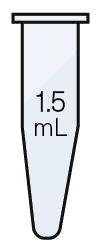 1.5 mL tube, unskirted |
||
 2 mL tube, unskirted |
||
 skirted tube (up to 2 mL) |
Before Use: Balancing
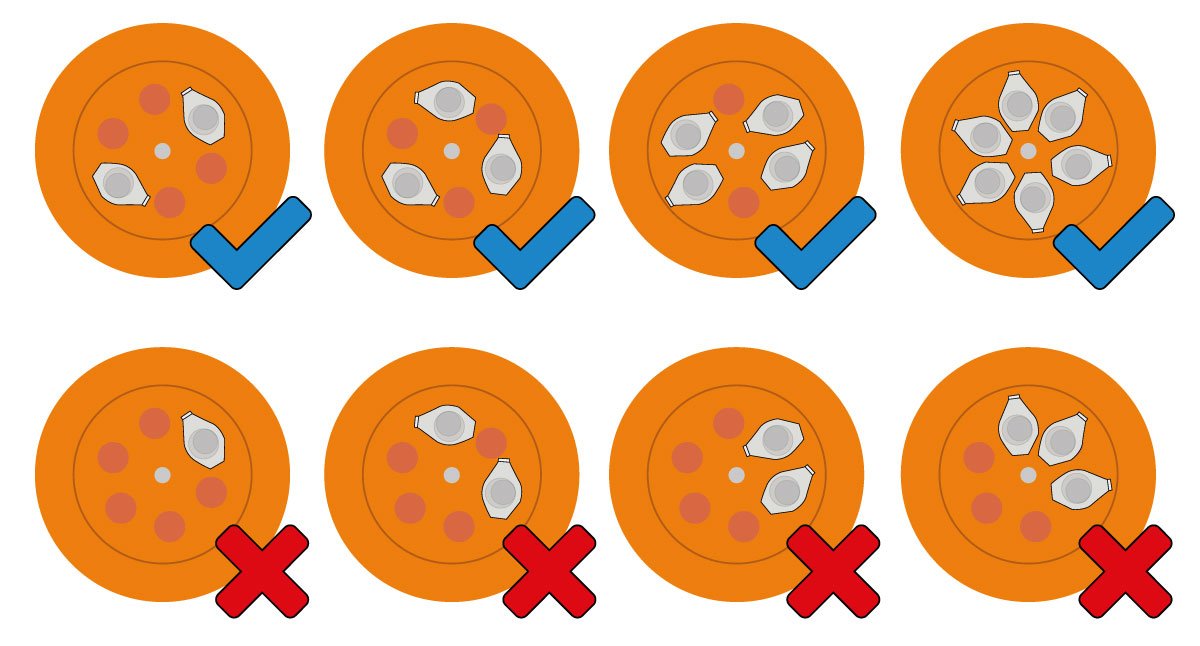
Before starting the centrifuge, make sure that your samples are placed opposite each other on the rotor.
Also check that your samples are the same weight.
Warning: Never run the centrifuge in an unbalanced configuration. This will permanently damage the device.
Using the Centrifuge
To operate the centrifuge, select the module from the status screen.
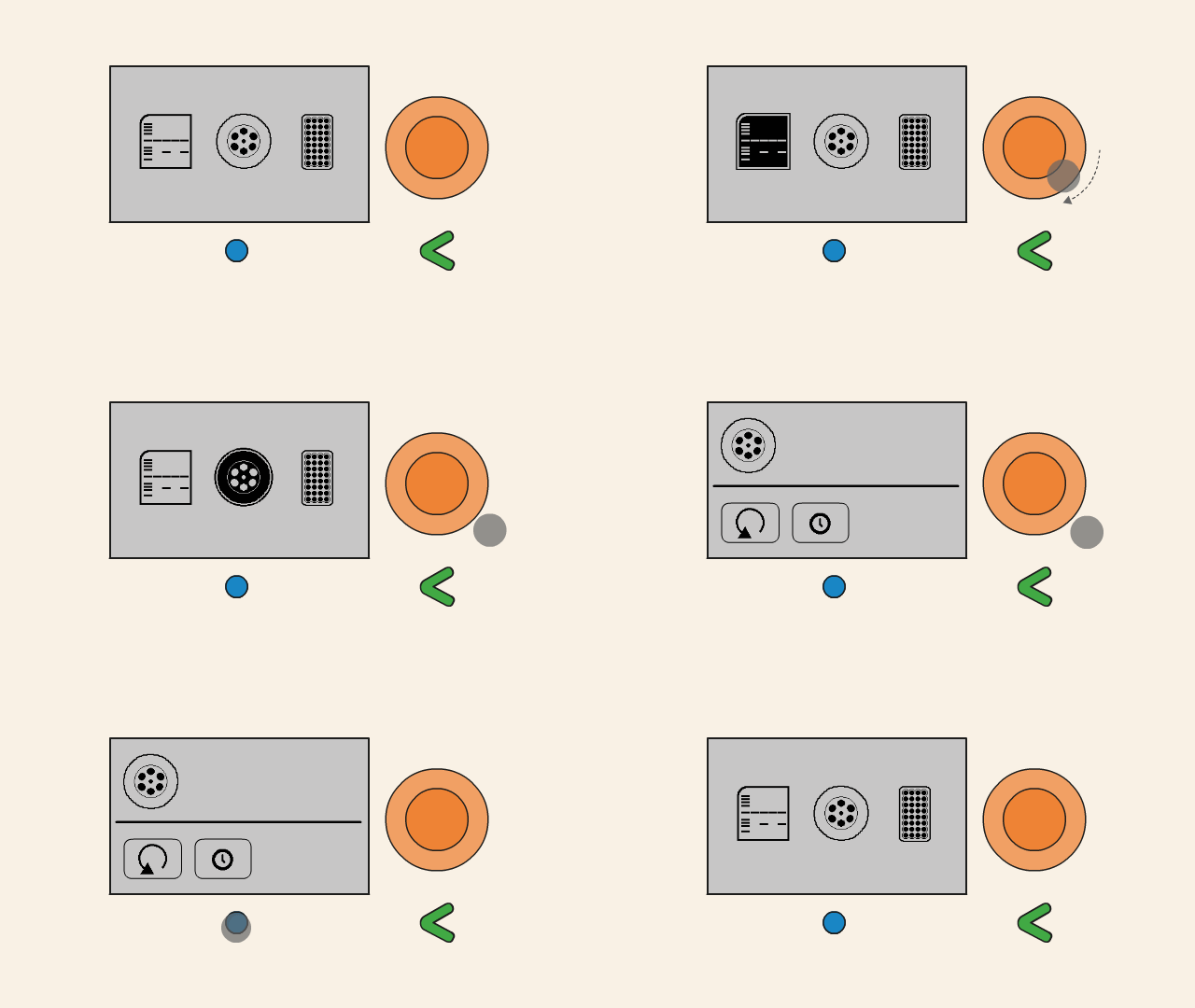
There are two modes of usage: Burst Spin and Time Spin.
Burst Spin: short-spins with no pre-defined time. Uses when runing the centrifuge for a number of seconds, e.g., collecting samples at the bottom of the tube.
Time Spin: spins at user-defined speeds for a pre-defined time.
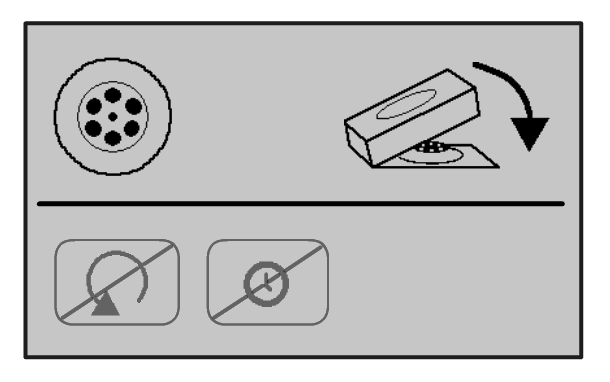
The lid has to be closed to select either Burst Spin or Time Spin options.
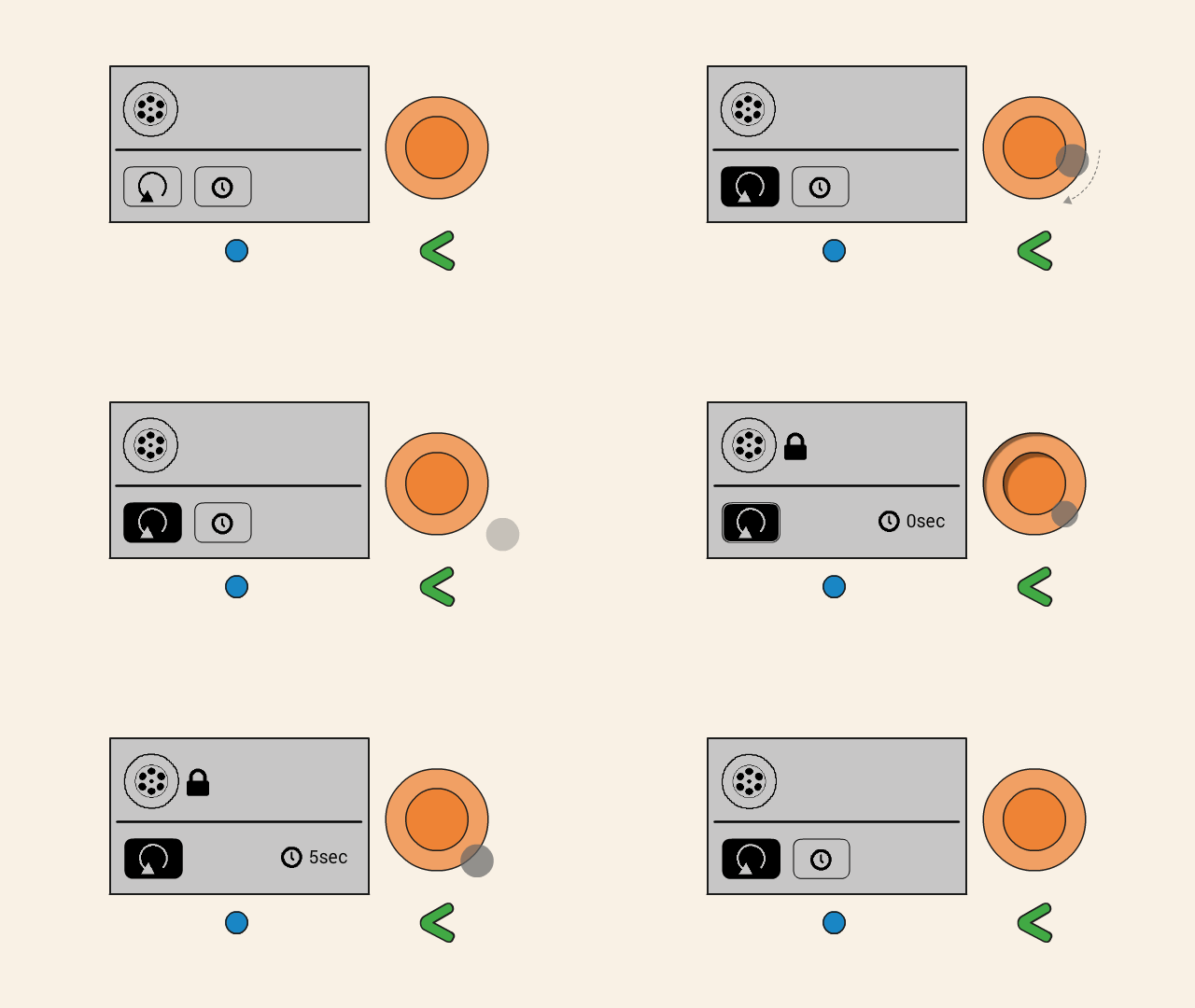
To use the Burst Spin option, select the circular arrow button using the orange click-dial. Hold down the orange click-dial and the centrifuge will start spinning. A counter will record how many seconds the centrifuge has been active. To stop the centrifuge, simply let go of the button and the centrifuge will slow down and come to a halt. The lid automatically unlocks once the motor has stopped and it is safe to open. Wait until you hear a click from the lid that indicates the lock being opened.
To use the Time Spin option, select the clock symbol using the orange click-dial. The G force and the timer can be adjusted by pushing and rotating the orange click-dial while holding it down. Clockwise rotations will increase the value, anti-clockwise rotations will decrease it. Click the confirm button to start the run.
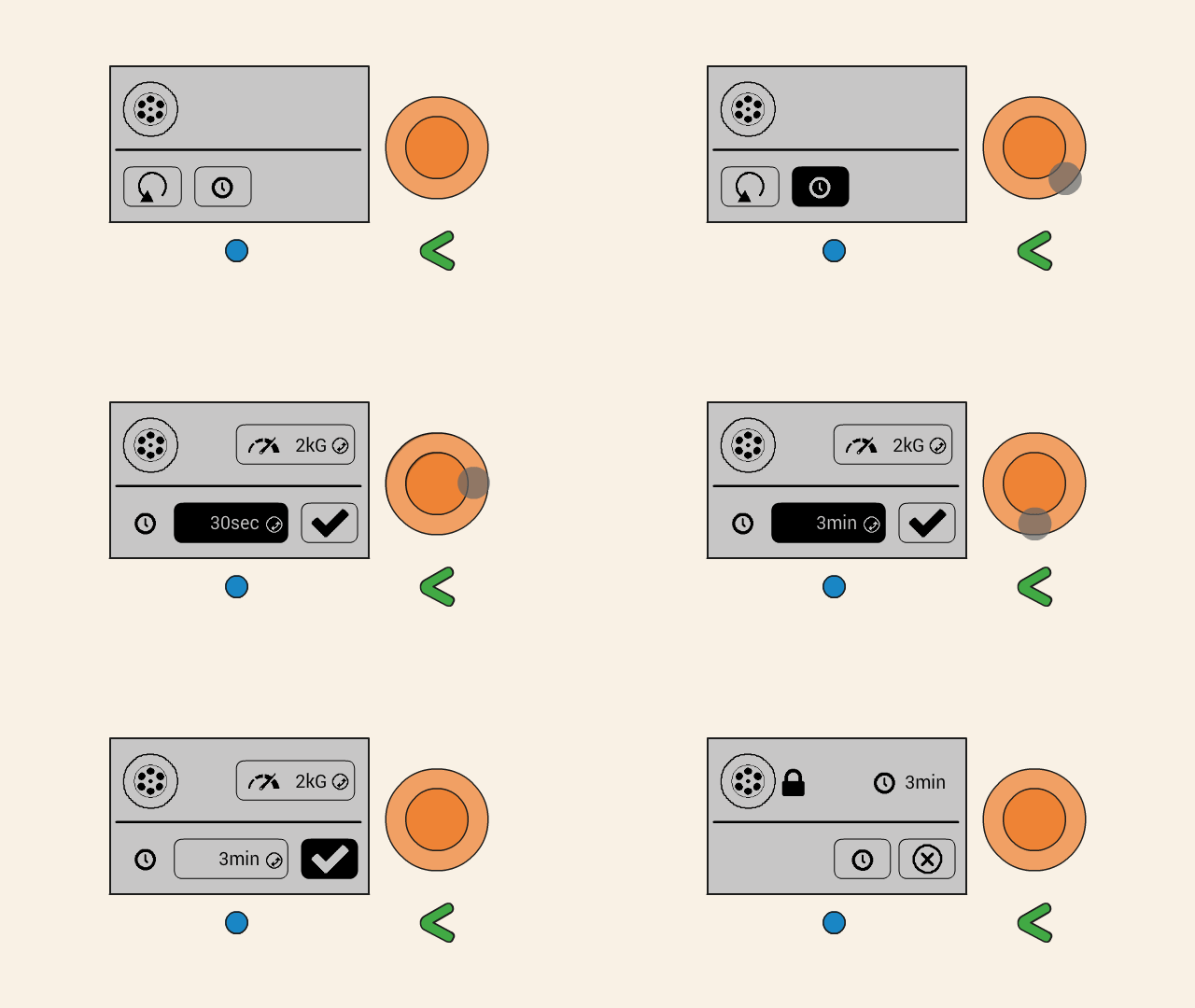
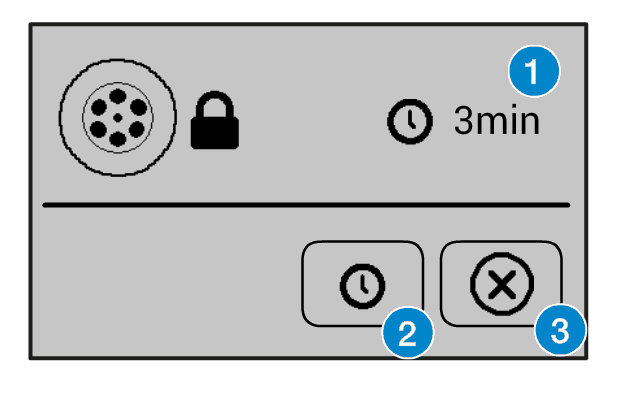
When the centrifuge is running with a timer, the remaining time is displayed on the top right position 1. The clock button 2 allows for the timer to be adjusted, and the cancel button 3 can be used to switch off the centrifuge manually.
RCF (G force) vs RPM
The interface shows the relative centrifugal force (RCF) or G force experienced at the tip of the centrifuge tube, in multiples of Earth’s gravity (×g). The centrifuge’s revolutions per minute (RPM) used to achieve this force is shown in the table below:
| RCF (G force) (×g) | RPM (approximate) |
|---|---|
| 500 | 3100 |
| 1000 | 4400 |
| 1500 | 5400 |
| 2000 | 6200 |
| 2500 | 7000 |
| 3000 | 7600 |
| 3500 | 8250 |
| 4000 | 8800 |
| 5000 | 9900 |
| 6000 | 10800 |
| 7000 | 11700 |
| 8000 | 12500 |
Safety Advice
Intention of use
The centrifuge is intended for the separation of suspensions and solutions in the appropriate 1.5 mL or 2 mL tubes. Check tube compatibility here.
- Only operate the centrifuge after you have read and understood the manual.
- It is the responsibility of the Bento Lab owner to ensure that all persons using the centrifuge have been trained and that full records of training are maintained.
- Wear the necessary protective equipment and follow good lab practices, including for the storage and disposal of samples and tubes.
- Irrespective of the organism, chemical or reagent which you are using, always ensure you are handling, storing and disposing of the material as per supplier instructions and as per local and national regulations.
- Do not use the Bento Lab if there are exposed wires, signs of severe mechanical damage or corrosions.
Warnings to avoid personal injury, exposing others to risk, damage to centrifuge and rotor
Risk of flying debris and/or fire from mechanical failure of rotor
- Prior to use, inspect the centrifuge visually and ensure that power cables, lid and seals are clean and in good condition and that no wires are exposed.
- Stop the centrifuge immediately if an unusual condition (noise or vibration) begins.
Risk of skin irritation from opening the centrifuge and touching the rotor during operation
- Do not open the cover when the rotor is still spinning.
- Do not attempt to slow down the spinning rotor by hand.
Risk of cuts and infection from broken sample tubes
- Only use appropriate tube sizes for chosen centrifuge rotor.
- Wear suitable protective gloves.
- Disinfect the centrifuge if there are any spills. If necessary, clean the surrounding area.
- Decontaminate and dispose of the broken sample tubes as necessary.
- If you cut yourself, seek first-aid.
Risk of contamination from use of hazardous samples
- Only use pathogenic, toxic or radioactive substances if safety precautions listed on the product of interest are observed.
- Handle and dispose of the samples as per good laboratory practice procedures.
Risk of rotor damage from imbalance of samples in centrifuge during operation
- Load the samples in the centrifuge evenly.
- Ensure they have the same mass.
- Ensure the centrifuge is placed on a level surface.
Risk of fire, combustion from operation of centrifuge in vicinity of flammable or combustible vapours which can ignite inside the centrifuge
- Work in a well-ventilated space
Risk of fire, contamination or corrosion from sample leaks
- Check tubes for cracks and deformities before use.
- Do not fill tubes above the maximum recommended by the manufacturer.
- Material loaded into sample tubes must be compatible with the sample tube material
- Clean spillages immediately. Spills of hazardous material must be adequately decontaminated.# The remainder of the liquid will flow through. The centrifuge is insulated from the remainder of the equipment and so should not cause any shortages.
- Do not centrifuge samples which can develop flammable or explosive vapours.